Clinical microbiome testing for dogs —
because the science is ready
About us
FetchBio is a UK canine microbiome testing and drug-discovery company. Our mission is simple: bring the power of precision medicine to the veterinary consultation. We combine deep metagenomic sequencing with AI to build the world's first canine pharmacomicrobiome platform — a dataset mapping how the gut microbiome interacts with health, disease, and pharmaceutical treatment in dogs.
Our mission
FetchBio exists to make the canine microbiome visible, measurable, and actionable. Every dog deserves the same depth of biological insight that is transforming human medicine. We are building the infrastructure for a new era of precision veterinary care — one where treatment decisions are informed by the complete biology of the patient.
Why Test the Canine Microbiome?
-
Chronic diarrhoea, vomiting, and weight loss are among the most common veterinary presentations — and in many cases the underlying driver is dysbiosis. Dogs with chronic enteropathy show depletion of butyrate-producing Faecalibacterium and Blautia, loss of bile-acid-metabolising Peptacetobacter hiranonis, and expansion of Proteobacteria. FetchBio reveals these patterns and enables targeted intervention: specific prebiotic fibres to restore keystone taxa, probiotic supplementation, or dietary modification for food-responsive enteropathy. For small intestinal bacterial overgrowth (SIBO), microbiome profiling guides antibiotic selection — the macrolide tylosin is effective in 77% of cases — and monitors recovery.
-
Canine IBD is driven by the interaction between genetics, the gut microbiome, and the immune system. Dogs with IBD show reduced microbial diversity, depleted SCFA production, altered bile acid metabolism, and increased gut permeability. The dysbiosis pattern mirrors human IBD — reduced Faecalibacterium, elevated Proteobacteria — but canine IBD is often more responsive to dietary intervention. FetchBio quantifies the severity of dysbiosis, identifies depleted keystone taxa, and tracks response to dietary, probiotic, antibiotic, or immunosuppressive treatment.
-
Gut dysbiosis drives systemic immune imbalance through the gut-skin axis. Dogs with atopic dermatitis frequently show concurrent gut microbiome disruption — and many dogs with IBD also present with itchy ears, red skin, and recurrent infections. On the skin itself, atopic dermatitis is associated with overgrowth of Staphylococcus pseudintermedius and the fungus Malassezia pachydermatis. FetchBio's multi-kingdom sequencing captures both bacterial and fungal imbalances in a single test. Addressing gut dysbiosis alongside topical management targets the root immunological driver, not just the symptoms.
-
Cancer is the leading cause of death in dogs, and the microbiome influences cancer risk, tumour progression, and treatment response. Colorectal cancer is associated with enrichment of Fusobacterium nucleatum, which promotes tumour growth through immune evasion. More critically, the gut microbiome is now recognised as a key determinant of immunotherapy response. A pilot study in dogs receiving anti-EGFR/HER2 immunotherapy identified 11 bacterial taxa whose abundance correlated with survival. In human oncology, enriched Faecalibacterium prausnitzii and Akkermansia muciniphila predict better responses to checkpoint inhibitors. FetchBio provides oncology teams with microbiome data that informs treatment stratification, guides supportive interventions, and monitors the gut ecosystem throughout chemotherapy.
-
Every antibiotic course disrupts the gut microbiome — rapid loss of diversity, depletion of keystone taxa, expansion of resistant organisms. This disturbance can persist for weeks to months, and some individuals never fully recover their original community. FetchBio directly detects antimicrobial resistance genes in the gut microbiome — information that culture-based methods cannot provide. This supports narrow-spectrum antibiotic selection, monitors resistance emergence, and identifies patients at risk. In an era of rising AMR, microbiome-informed prescribing is a professional responsibility.
-
The gut microbiome metabolises pharmaceuticals through thousands of microbial enzymes. Beta-glucuronidases reactivate NSAID metabolites in the gut, causing ulceration and bleeding — a common adverse effect in dogs prescribed NSAIDs for osteoarthritis. In cancer treatment, bacterial beta-glucuronidases convert the inactive metabolite of irinotecan back to its toxic form, causing severe dose-limiting diarrhoea. Antibiotics impair chemotherapy efficacy by disrupting the immune-stimulating bacteria that drugs like cyclophosphamide require to work. FetchBio quantifies these enzyme activities from metagenomic data, enabling veterinarians to anticipate drug-microbiome interactions before they cause harm. This is pharmacomicrobiomics — and FetchBio is the only company building this capability for canine medicine.
The process
Order & collect
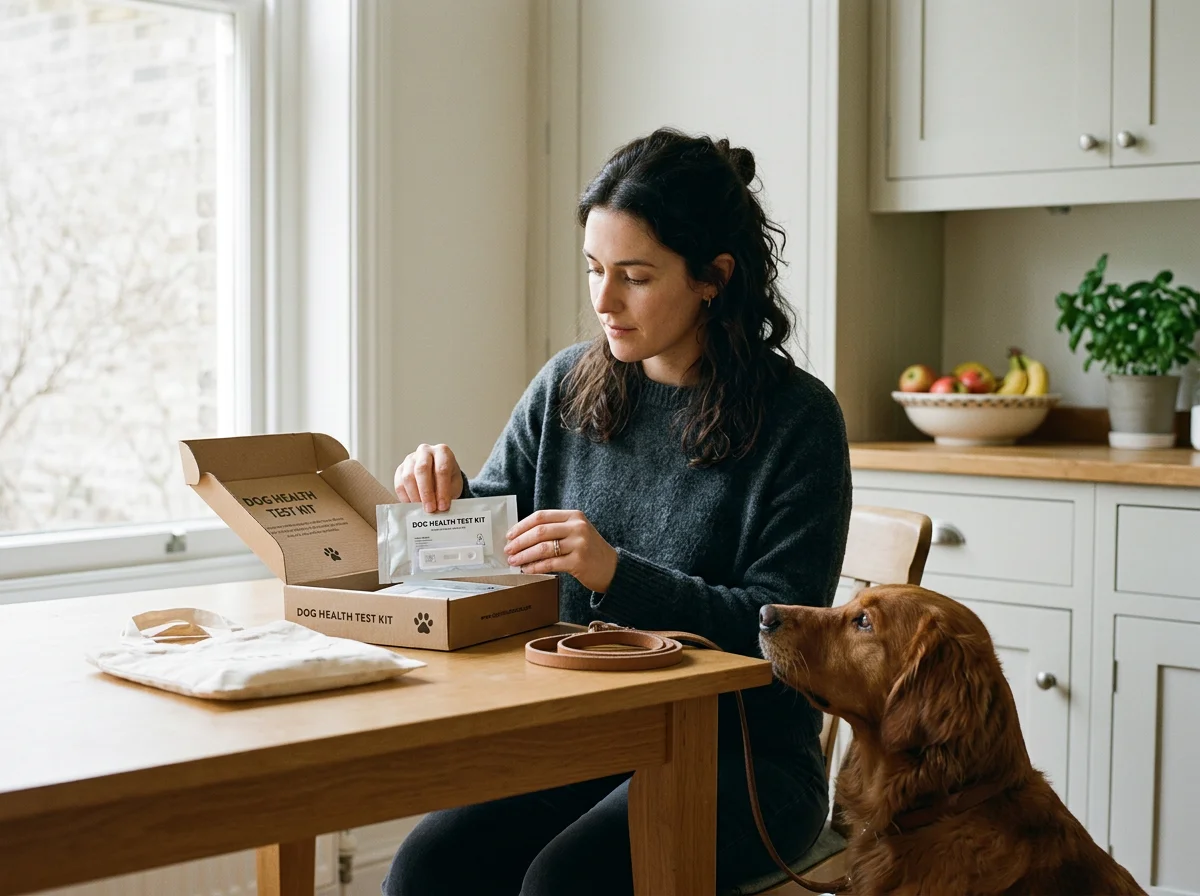
Veterinary practices order FetchBio kits directly through our platform. Each kit contains a dry stool swab, flushable faeces catcher, gloves, biohazard bag, and a prepaid return envelope. Collection is non-invasive and takes less than two minutes — in clinic or at home under veterinary guidance. Custom-branded kits are available for practices integrating FetchBio into their own service.
Step 1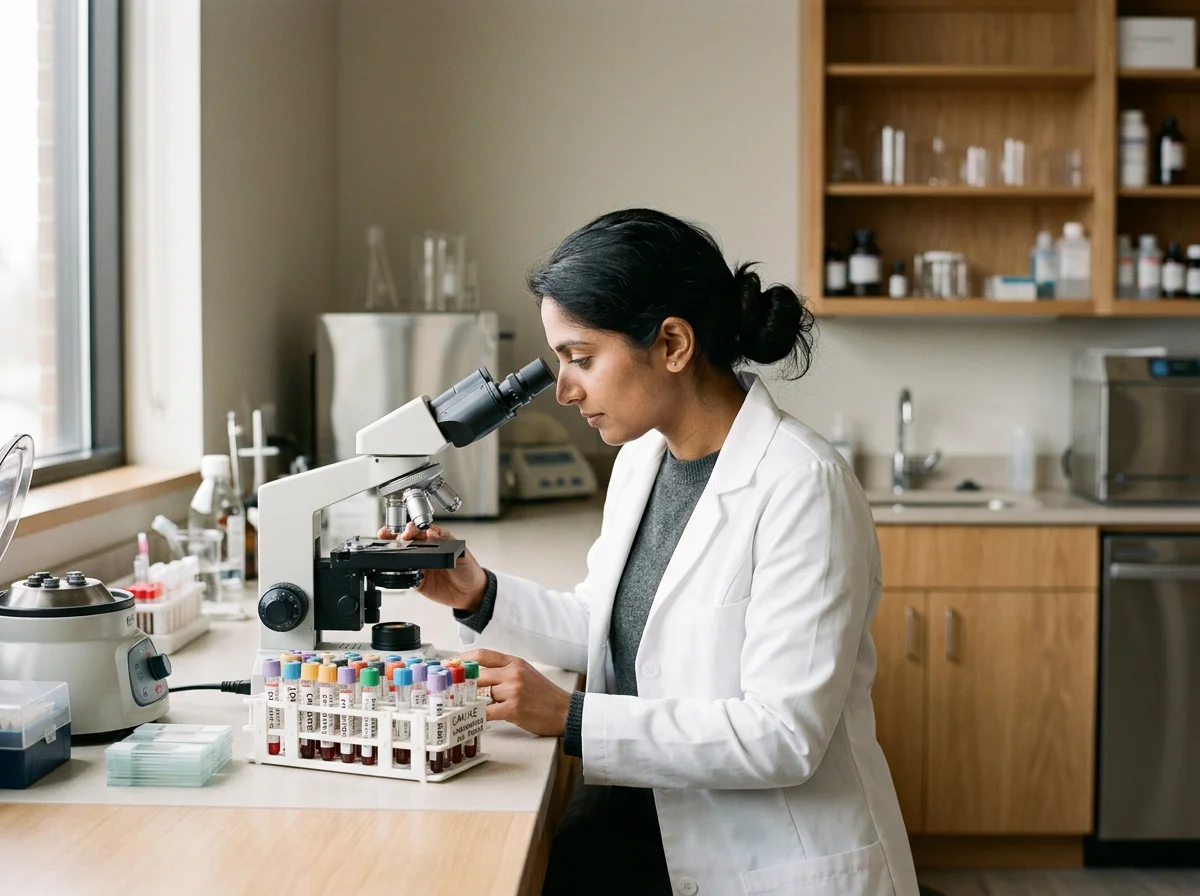
Sequencing & analysis
Samples are shipped to CMBIO's accredited laboratory in the US for DNA extraction, library preparation, and full shotgun metagenomic sequencing. Every organism in the sample — bacteria, fungi, archaea, and viruses — is captured at species-level resolution. Taxonomic profiling and functional gene annotation are performed using CMBIO's validated bioinformatics pipelines. Standard turnaround: 20 business days from sample receipt.
Step 2
Step 3Results delivered
Results arrive through the FetchBio platform as a structured clinical report. Raw FASTQ sequencing files are available for practices or researchers requiring deeper analysis.
Dr James Kinross PhD FRCS
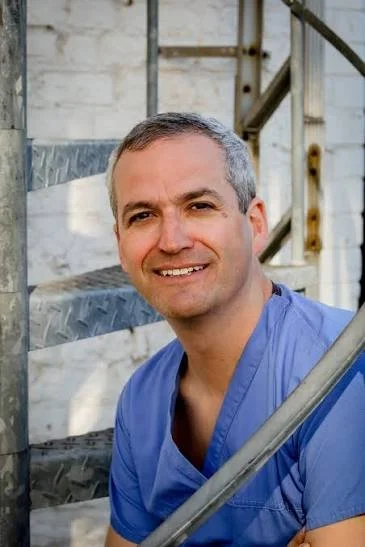
Our team is led by Dr James Kinross PhD FRCS, who leads microbiome research at Imperial College London and has published over 100 peer-reviewed papers,